
21
Oct
Dog eye diseases are classified by being external affecting the eyelids conjunctiva cornea and sclera common or internal such as canine uveitis which refers to inflammation of the inner eye less common. Epiphora treatment includes cleaning and wiping the dogs eyes possible surgery or a flushing of the eyes.
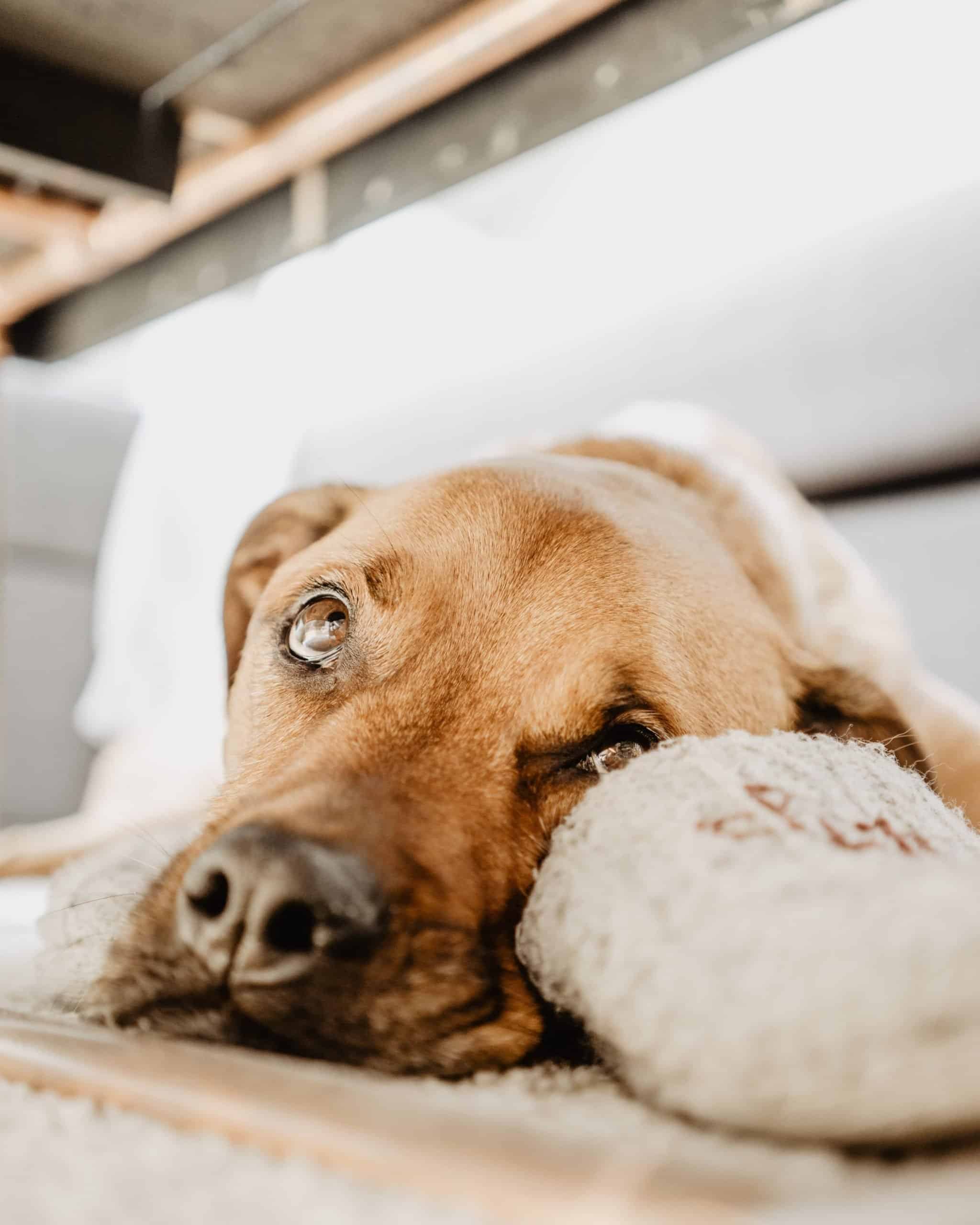
Spot around dog eye genetic. Dog Coat Colour Genetics. The default eye colour for dogs is brown. However a number of genes can affect eye colour.
Ambereyes usually occur when the eumelaninproduced by the dog is diluted or modified by the recessive genes in the Bor Dseries. The Merle gene anomaly can be minor as in the blue iris. The blue appearing in your dogs eye can be a part of an eye that is otherwise brown and wont impact his site.
On the most severe end the Merle gene anomaly can cause blindness. The front or back of your dogs eye can be impacted. Though the condition can impact both parts.
Epiphora or eye discharge is a common dog eye problem which targets specific breeds such as Poodles Maltese dogs or Pekingese. Epiphora may also appear as a reddish-brown spot under the eye. Epiphora treatment includes cleaning and wiping the dogs eyes possible surgery or a flushing of the eyes.
Pigmentary keratitis refers to a brownish-black discoloration of the surface of the eye caused by the deposition of pigmented melanin granules. Pigmentary keratitis is most common in brachycephalic dogs such as Pugs Boxers Bulldogs and French Bulldogs. This is likely due to their facial conformation as well as genetic factors.
Ocular melanomas although rare are the most common eye tumor in dogs. Ocular melanomas can originate from the uvea or the limbus. About 80 of uveal melanomas and all limbal melanomas are benign.
The rate of metastasis is less than 5. Ocular melanomas are at least in part heritable and caused by one or more genetic mutations. To help keep your dog bright eyes and alert here is a checklist of signs to watch for.
Dulling discoloration or clouding of the eye surface. Tiny red lines across the eye. Inflammation or reddish color in the normally white area.
Any bulging of the eye. The appearance of any bumps or lumps in or around the eyes. Dog eye diseases are classified by being external affecting the eyelids conjunctiva cornea and sclera common or internal such as canine uveitis which refers to inflammation of the inner eye less common.
Common External Dog Eye Diseases. Conjunctivitis in dogs is caused by a bacterial infection of the conjunctiva. Symptoms include swollen eyelids.
Its also one of the genetic or inherited dog eye problems. Breeds most at risk of PRD include Akitas Border Collies Briards Bull Mastiffs Cocker Spaniels Golden Retrievers Irish Setters Labrador Retrievers Miniature and Toy Poodles Samoyeds Siberian Huskies Shetland Sheepdogs Tibetan Terriers and many more. Lipid keratopathy also known as corneal dystrophy occurs when fatty substances accumulate in the cornea causing a white spot on a dogs eye.
This condition can occur for several reasons including genetics high cholesterol levels and hypothyroidism. Causes of Dog Eye Infections. As in humans there are many causes of dog eye infections.
Viruses such as distemper herpes hepatitis canine influenza. Bacteria such as canine. Glass eyes is the result of the Merle gene at work within the dog.
Its the same gene that creates the coat colors. When checking a dogs eyes you want to insure that the pupilblack part in the center is well rounded centered and clear of any other colors. As pets get older there are two common conditions that can cause the eye to look grey.
One of those conditions is that the lens is in the center of the eye which helps the eye to focus. However as pets age there are normal changes in the lens of the eye and the greying is a result of those changes. The second condition is as pets age the.
This is the left eye of the same dog. It is of normal size but this eye also has an eccentric pupil. The pupil occupies the lower half of the iris.
Note that an eye does not have to be blue to be affected. Most of this eye is medium to dark brown. Its just that a.
Most dogs that are considered albino have skin that appears pink around their eyes rather than pigmented skin which can give the eyes a pinkish look Pumphrey says. While it is impossible to know whether a dog is a true albino without genetic testing most albino dogs will actually have blue eyes and pink noses. Ocular proptosis is the forward displacement of the globe eyeball typically beyond the eyelids.
As you can imagine it can look like a scene from a Halloween movie. In dogs proptosis usually results from blunt trauma. However in certain breeds proptosis can occur if the facial skin is accidentally pulled too hard.
In some dogs typically older dogs there can be some serious causes such as progressive retinal atrophy or even a tumor that may cause the eye to appear different. If this is a recent change your puppy should be examined by your veterinarian or a veterinary ophthalmologist. Also known as Keratitis Sicca or dry eye is a condition where the eye does not produce enough tears or the tears produced may be abnormal in composition and evaporate too quickly.
It usually affects both eyes and the eyes may be red irritated itchy and sensitive to lightAbrasions may occur when the dog rubs the itchy eyes. Eye defects caused by genetic related reason Dogs can suffer from varied eye disease but when it comes to Siberian Huskies hereditary defects are the most common problems. Aside from cataracts progressive retinal atrophy and corneal dystrophy are also some of the typical genetic eye defects that may experience by your dogs.
Hot spots are a type of infection and often cannot be seen underneath the coat. Some signs your dog may be experiencing a hot spot include excessive licking itching and guarding the surrounding area. If you suspect that your dog is suffering from a hot spot separate the fur and inspect for an open wet sore.
Its common for middle-aged to senior dogs to develop a bluish transparent haze in the lens of their eyeThis is considered a normal change in the lens associated with aging. The medical term for this occurrence is nuclear sclerosis. In this AnimalWised article were going to talk about nuclear sclerosis in dogs the causes symptoms and treatment.
Previous post
Spray for dogs in heatNext post
Sporty dog names