
01
Nov
Most carcinomas occur in the lower two-thirds of the stomach particularly the pylorus. A tumor is a mass of abnormal growth that adheres itself to the abdomen or stomach lining.
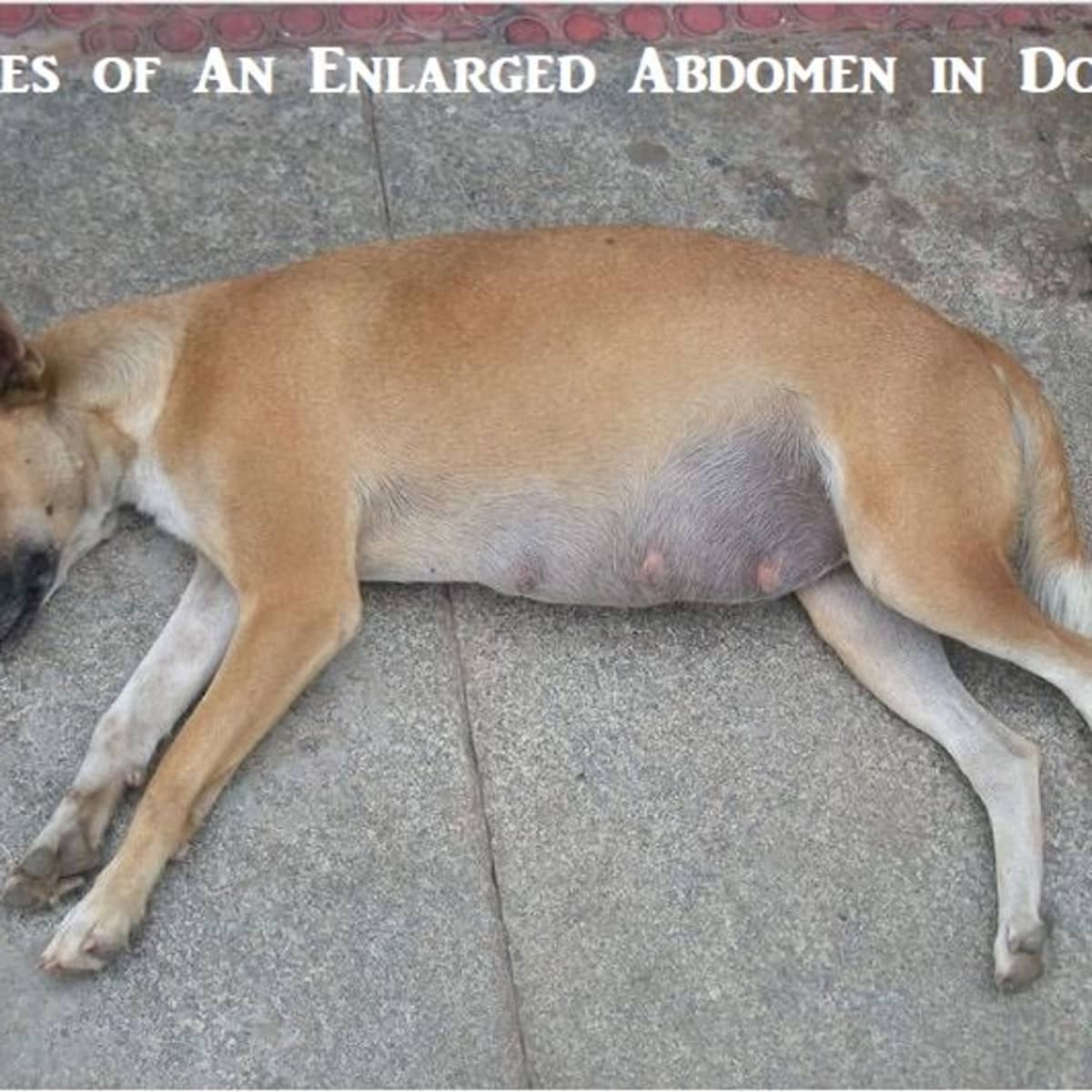
Stomach tumors dogs. Stomach tumors are uncommon in dogs and cats. There are many kinds including leiomyosarcomas lymphomas adenocarcinomas mast cell tumors fibrosarcomas plasmacytomas gastrointestinal stromal tumors GISTs and carcinoids all malignant. And leiomyomas adenomatous polyps and adenomas benign.
Most tumors are malignant. Stomach cancer in dogs can come in many forms - leiomyosarcomas tumors that affect the lining of hollow organs like the stomach mast cell tumors affecting cells that are part of the immune system called mast cells that are commonly found in the stomach and adenocarcinomas affecting the lining of the digestive tract are the most common. A tumor is a mass of abnormal growth that adheres itself to the abdomen or stomach lining.
Most times this tumor is merely a benign fatty mass that can easily be removed allowing your dog a full recovery. If a biopsy has found the mass is malignant veterinarians are optimistic about recovery since the stomach area is delicate. Medications and following a special diet for your.
Less common stomach cancers in dogs include leimyelomas mast cell tumors and lymphoma. In cats the most common stomach cancer is lymphoma. Lymphoma in cats can be low-grade or high-grade both of which have different clinical presentations.
Distinguish this tumor from other gastrointestinal smooth muscle tumors. Most carcinomas occur in the lower two-thirds of the stomach particularly the pylorus. Most affected dogs are older median age 10 years and there is a male predominance 2-31.
Chow Chows have a 40X risk of gastric carcinoma compared to the general population. Abdominal cancer can be a silent killer because dogs dont usually show any signs of illness by the time it might be too late. Even though abdominal cancer is usually thought of as stomach cancer the truth is that this disease can affect multiple organs within the abdominal cavity from the liver to the spleen.
In dogs adenocarcinoma is the most common gastric and large intestinal neoplasm whereas lymphoma is more frequently seen in the small intestine followed by adenocarcinoma and sarcomas such as gastrointestinal stromal tumor GIST and leiomyosarcoma. Other reported canine GI neoplasms include carcinoid adenoma leiomyoma carcinoma in situ and. Gastrointestinal tumors can occur anywhere in the gastrointestinal tract but stomach tumors in dogs tend to be more common.
However the location also depends on the type of tumor. Adenocarcinomas for example are among the most common gastrointestinal tumors in dogs and usually develop in the colon rectum and stomach. Stomach cancer in dogs is most frequently caused by adenocarcinoma a tumor which forms in glandular tissue and spreads to the stomach.
This type of tumor can also frequently spread to lymph nodes the liver and the lungs. Other less common tumors that cause canine stomach cancer include gastrointestinal stromal tumors leiomyosarcomas. Leiomyoma of the Stomach Small and Large Intestine in Dogs.
A leiomyoma is a relatively harmless and non-spreading tumor that arises from the smooth muscle of the stomach and intestinal tract. The main concern is that this type of tumor can block the normal progress of fluids and solids through the digestive tract or displace organs resulting. These are most commonly found in overweight dogs they are benign tumors consisting of soft and smooth clumps of fat cells that can grow very large found most often around the chest abdomen and front legs.
Abdominal Masses In Dogs. Since I just deal with geriatric elderly and terminal pets I see masses tumors growths within the abdomen fairly frequently. Certain breeds are represented more often.
Labradors Golden Retrievers German Shepherds and Pit Bulls are among the most commonly affected. However these tumors can be seen in any breed and. Pictures Of Tumors On Dogs Stomach.
Mast Cell Tumor Mct In A Dog Between 7 21 Of All Canine Skin Tumors Are Mast Cell Tumors Mct Need To Be Mast Cell Tumor Dogs Dog Cancer Dog Skin Problem. Dog Neck Rash Rash On Dogs Belly Dog Rash Dog Skin. What is the prognosis of stomach cancer in cats and dogs.
Unfortunately the prognosis for pets diagnosed with malignant stomach cancer is generally poor but benign tumors can be successfully removed by surgery. Even if surgery is possible most pets die within 6 months due to recurrent cancer. Types of Stomach Cancer Found in Dogs.
Adenocarcinomas are the type of tumors most often associated with cancer of the stomach. This cancer is one that is found in glandular tissue and it will often spread to the liver lungs and lymph nodes. Gastrointestinal cancer is fairly uncommon in dogs but it does occur.
The most common type of canine cancer affecting the intestinal tract is lymphoma followed by adenocarcinoma. Dogs over the age of 9 are most likely to develop the disease with males affected more than females. Mast Cell Tumors in Dogs.
Mast cell tumors may occur as skin bumps or internal tumors. These masses may release histamine when disturbed which can have a negative effect on your dogs body. If your vet suspects a mast cell tumor your dog may be treated first with diphenhydramine to minimize the histamine release.
Stomach tumors are more common in older dogs and unfortunately the vast majority are malignant and untreatable and may involve the own having to euthanize the dog. Although some smaller bowel tumors can be removed it is very important that any dog with cancer is treated for secondary symptoms see below. Mast cell tumors are most common in older purebred dogs including the Boxer Boston Terrier Bulldog and Schnauzer.
Gastrointestinal Problems The massive release of histamine associated with mast cell tumors can also cause significant problems with the gastrointestinal system leading to stomach ulcers vomiting and diarrhea. Gastrointestinal GI tract of dogs. As previously diagnosed smooth muscle tumors of the canine GI tract are increasingly reclassified as GISTs it becomes important to identify additional criteria that may assist in the diagnosis of these neoplasms.
Tumors can range in appearance from small bumps on a dogs skin to large mass growths around the body. In general tumors are caused by an abnormal growth of the cells in the skin or tissue of your dog. But the root causes are often as diverse as the diagnoses themselves.
The following are the most common causes of tumors in dogs. Canine Abdominal Stomach or Gastric Cancer. Dog stomach tumors are usually malignant cancerous.
Removal of the tumor is often to relieve pain or other symptoms triggered by the tumor. The incidence is highest in dogs 10 years of age or older. The most common type of tumor in stomach cancer tumor is adenocarcinoma.
Previous post
Stongid for dogsNext post
Stomach of spayed dog