26
Apr
In some cases your veterinarian may recommend using a dilute cleansing solution of chlorhexidine a surgical soap or an iodine solution to help remove debris. Clean cuts abrasions or wounds with skin-soothing herbal teas or an herb-vinegar rinse.
Swelling dogs wound. Swelling in dogs commonly appears at the site of a wound or injury. Even when no external injury is present trauma may cause injury to the dogs internal soft issues resulting in swelling. A bacterial infection at the site of a wound can also cause inflammation.
Bacterial infections may be treated by antibiotics. The five symptoms of inflammation are swelling pain redness heat and immobility. That red and inflamed look is normal unless accompanied by high fever excessive bleeding or streaking from the site of the wound.
It may take up to a week for inflammation to subside depending on the severity of the wound and the overall health of your dog. If your dogs wound seems to be swollen or reddened then this is usually a sign of infection. This includes skin that is hot to the touch in the area around the wound.
The average body temperature for most dogs is 101 to 102 degrees Fahrenheit. When you consider the sort of happy-go-lucky caution-to-the-wind daily life of your dog its really not all that impossible to imagine her coming into the house with a minor injury or two. Many injuries your pet might sustain throughout her life will be ones that require immediate medical careif your dog seems sick if a wound is swollen or filled with pus or if it simply seems a bit.
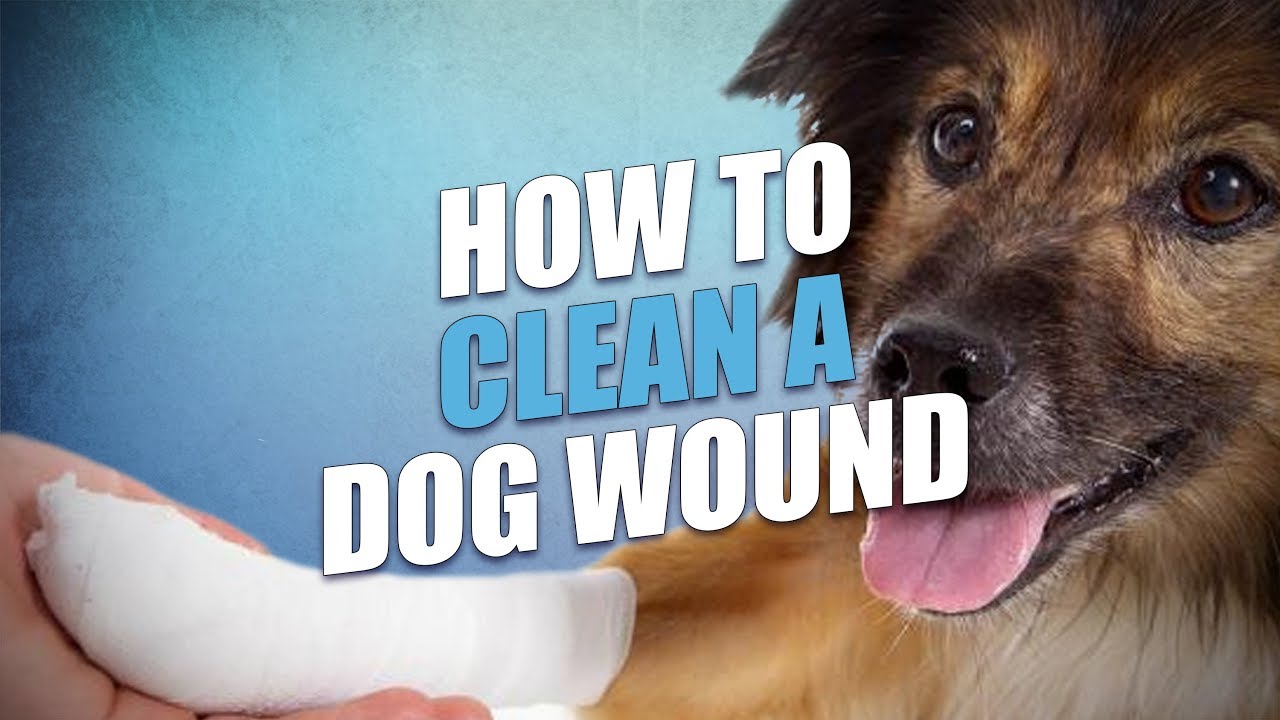
Clean The Wound. The first step in wound care for your pet would be to clean the wound with hydrogen peroxide. Your pet may not always be amenable to this so you may want to have someone else hold them as you clean the wound.
Hydrogen peroxide will clean the wound and prevent any new bacteria to grow on the area. This may be made by adding approximately one level teaspoonful 5 mL of salt or Epsom salts to two cups 500 mL of water. In some cases your veterinarian may recommend using a dilute cleansing solution of chlorhexidine a surgical soap or an iodine solution to help remove debris.
Here are the 4 stages of wound healing according to The Merck Manual. Inflammation is the first stage of wound healing. It can be divided into 2 phases.
First blood vessels constrict to control bleeding. Then within minutes blood vessels dilate. Debridement is the second stage of wound healing.
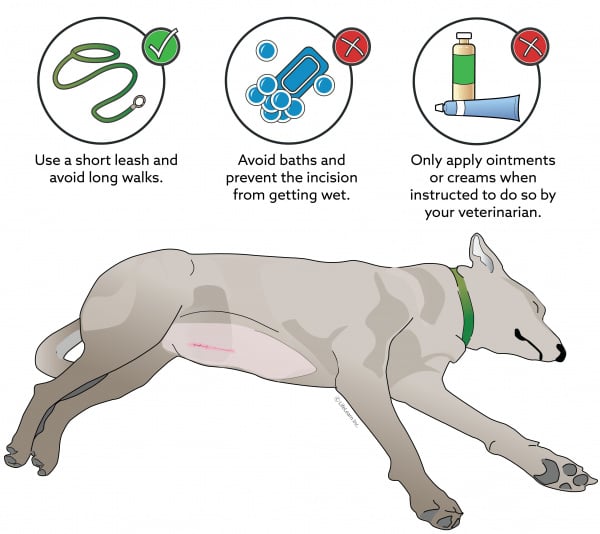
If redness persists however or redness and swelling are seen around each suture tissue is protruding the wound is draining or there is a gap between the edges of the incision contact your veterinarian. With proper home care and close monitoring your dogs incision will likely heal without complications. Puncture wounds or bite wounds occur when an object or tooth pierces the skin and leaves a small hole on the surface.
The hole will most likely affect multiple layers of tissue and is most susceptible to bacterial infections. Puncture wounds can easily become abscessed creating a bigger medical emergency for your dog. An infected wound that is treated either surgically or non-surgically will continue to look red and infected initially.
Dogs have highly elastic skin and even if the wound was sutured and dressed with bandages it may still retain an enflamed and swollen look. This is normal unless accompanied by a high fever excessive bleeding or streaking. Bandages or splints may be necessary at times if your dog has a wound or a broken bone.
Bandages can be applied to the head neck chest tail or lower legs of a dog. Splints are usually applied below the knee on the back leg or below the midpoint of the humerus on the front leg. NATURAL REMEDIES FOR CLEANING DOG WOUNDS.
Clean cuts abrasions or wounds with skin-soothing herbal teas or an herb-vinegar rinse. Spray or apply skin-healing hydrosols essential oil blends salves or other topical products that stimulate cell growth fight infection and speed repair. Any excessive or worrisome swelling should prompt an examination by your veterinarian.
In cases of swelling caused by excessive fluid often called a seroma the fluid is sometimes drained. Skin infections are often treated with antibiotics and local wound care cleaning and bandaging. Look at the wound and see if there is bleeding from wound then disinfect the wound gently with water and soap.
You want to then apply a clean cloth to the wound and tighten it to control the bleeding until your dog gets to the veterinarian. How do you tell if a dog wound is infected or healing. Signs of infection Redness.
Pus white green or yellow liquid Bleeding easily. Can I ice my dogs swollen paw. If the dog has swelling associated with a sprain bruise or tendonitis apply ice packs to the area for 15 minutes twice daily.
Lymphedema is the swelling of various tissues in the dogs body due to fluid retention within the tissues. This is caused by an abnormality in the lymphatic system. Vet bills can sneak up on you.
If the infected wound is causing swelling and inflammation of the tissue around the wound or your dog is immunosuppressed the veterinarian may suggest systemic antibiotics. However the usage of topical antibiotics for dogs will not extend as the infection leads to profuse exudate. Elevate the wound area.
How long does dog face swelling last. Facial Swelling and Hives in Dogs The swelling occurs 30 minutes to a few hours after the exposure. A veterinarian will often give dogs with this reaction an antihistamine injection.
Untreated it may take a day or two for the swelling to subside. How long does a dog bite on the face take to heal. Head and neck abscesses appear abruptly generally accompanied by a fever and can leave your dogs head or neck looking asymmetrical.
They are commonly caused by animal bites or other wounds. Dogs with face swelling and vomiting may have an abscess which can be exceedingly unpleasant. The sooner an abscess is treated the better.
The first dog wound healing stage starts immediately. We can call this the first responders stage. All injuries begin with inflammation whether its a laceration abrasion or puncture wound.
Pet owners may notice symptoms like swelling redness heat and pain. As the name first responders suggests this.
Previous post
Swelling under dog eyeNext post
Sweet smelling dog vomit